Emergency Generator Repair in Cedar Knolls, NJ: Why Your Home Backup System Won’t Start
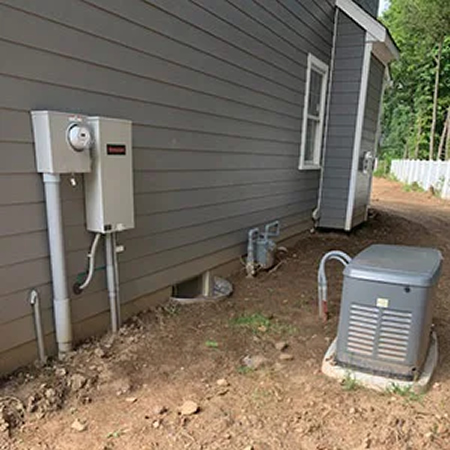
If you need emergency generator repair in Cedar Knolls, NJ, you want fast answers that keep your family safe and your home powered. This guide explains the most common reasons a home standby generator fails to start and how a licensed electrician from Zo Electric, LLC approaches the diagnosis. For details on installation and service options, you can review our home generators page.
Power interruptions in Morris County often show up with summer thunderstorms, heavy snow, or early fall nor’easters. When the lights go out, your standby unit should sense the outage and take over. If it does nothing, it is signaling a problem. Below are clear, plain‑English explanations designed to help you understand what is happening so you can make the right call without taking risky steps yourself.
What It Means When a Home Standby Generator Won’t Start in Cedar Knolls
A modern standby system watches utility power 24/7. When it sees a loss, it should start, stabilize, and transfer your home through the automatic transfer switch. If your system hesitates, tries to crank, or stays silent, a fault condition is likely stored in the controller. Homes around Cedar Knolls, Whippany, Morris Plains, and East Hanover often see this after long inactive periods or right when severe weather hits and hidden issues are exposed.
Do not open panels, move fuel lines, or attempt makeshift fixes. Generator systems combine electricity, fuel, and exhaust. An error that looks simple can cascade into fire, shock, or carbon monoxide exposure if handled without the right tools and training.
Cedar Knolls winters can bring ice that blocks vents and summer heat that stresses cooling systems. Keep snow, leaves, and landscaping at least a few feet away from the generator housing so the unit can breathe. This small habit helps reduce nuisance shutdowns when storms roll through.
Top Reasons Your Backup Generator Doesn’t Start
Battery Failure or Charging Issues
Standby units rely on a dedicated starting battery that ages even when the generator rarely runs. Extreme temperatures, corroded connections, or a failed trickle charger lead to weak cranking or silence. A pro uses a battery analyzer and checks the charge circuit and grounds to confirm whether the battery, charger, or cabling is to blame.
Low Coolant or Overheat Protection
Engines protect themselves. If the coolant level is low or temperature sensors see overheating, the controller locks out starting to prevent damage. An electrician will pressure‑test caps and hoses, inspect for seepage around the pump or radiator, and verify the sensor readings. Coolant leaks can be subtle and may only show under load or during longer run periods common in Cedar Knolls winter outages.
Fuel Supply Problems
Natural gas and propane systems depend on steady pressure and clean delivery. Obstructions, sticky regulators, and partially closed valves starve the engine. After storms, debris or ice can affect exposed components. A licensed technician verifies inlet pressure with a manometer, confirms proper orifice sizing, and checks for regulator creep or lockup. For propane, the service also confirms tank level and that the vaporization capacity matches the generator’s demand during cold snaps.
Control Board Faults and Alarm Codes
Today’s controllers store history and trigger alarms for underspeed, overspeed, low oil pressure, or sensor mismatches. A pro retrieves those codes, updates firmware when supported, and runs safe start tests. This prevents guesswork and protects your warranty where applicable.
Blocked Air Intake or Exhaust
Leaves, snow, nests, and wind‑driven debris can choke airflow. The engine may crank but not catch, or it might start then shut down. Technicians inspect intake paths, filters, mufflers, and spark arrestors and confirm that clearances meet manufacturer guidelines to keep the unit breathing freely.
If the switch cannot confirm a power loss or safe engine speed, it will not transfer. A professional will test sensing circuits, verify voltage and frequency at the generator, and check contactor movement. They also confirm that neutrals and grounds are correct so your appliances and electronics are protected when the system comes online.
Symptoms You Might Notice Before a No‑Start
Many units “whisper” trouble in the weeks before an outage. Keep an eye out for patterns like these and call early so a technician can fix the root cause before the next storm.
- Weekly exercise test is skipped or shorter than normal
- Slow cranking sound, clicking, or dimming house lights during transfer
- Fuel odor near the unit, soot on the housing, or visible coolant stains
- On‑screen warnings, fault LEDs, or app notifications that repeat
If you smell gas or see smoke, move away to a safe spot and call for help. Do not attempt to relight, reset, or open enclosures.
Why a Professional Diagnosis Matters
Modern standby systems are reliable, but they are also precise. Pressure, temperature, timing, and safety interlocks must line up. A trained electrician from Zo Electric, LLC brings tools and methods that save time and protect your equipment.
- Load bank testing to verify engine health and alternator output under real demand
- Battery conductance and charging system checks to confirm starting reliability
- Fuel pressure and regulator tests for natural gas or propane during simulated load
- Coolant, oil, and sensor validation to prevent false trips or hidden damage
- Controller code reads and functional transfer tests to ensure smooth switching
Trying to “trial and error” a fix can turn a small fault into a major repair. It can also introduce shock hazards or backfeed risks for utility workers. Generator troubleshooting is not a DIY project.
Local Factors That Affect Generators In Cedar Knolls
Cedar Knolls and nearby towns like Florham Park, Madison, and Parsippany mix older colonials with newer builds. Older homes may have longer gas runs or legacy panels that add complexity during transfer. Dense tree cover and wet spring weather can push debris into vents. Summer humidity stresses cooling systems, while single‑digit winter mornings reduce propane vaporization and lower battery performance. A local, licensed electrician understands these seasonal swings and plans service around them.
Preventive Care Before Nor’easter Season
Storm timing is unpredictable, but preventive care is not. An annual professional check verifies that your battery and charger are healthy, coolant is at the right concentration, the gas regulator responds correctly, and the controller’s self‑test is active. Many Cedar Knolls homeowners also request remote monitoring so alerts are acted on before an outage window. To understand how a generator supports your household year‑round, you might also explore this related post on our blog about how a home generator can protect your family in Morristown.
If you are researching options for upgrades or related work, our residential electrician services page outlines core services that keep your electrical system safe and dependable.
How We Approach Emergency Calls
When you contact Zo Electric, LLC, we start with safety questions and the basic history of the system. A licensed electrician then confirms fault codes, checks starting health, verifies fuel delivery and air paths, and performs a controlled test of the transfer switch. If parts are required, we explain the findings in plain language and prioritize steps that restore safe power as quickly as possible.
You can also find us by searching for emergency generator repair in Cedar Knolls, NJ and save our number for storm season. A quick call to 973-906-8242 connects you with our team.
Common Myths That Lead To No‑Start Problems
There are a few myths that cause trouble at the worst times:
“It ran last year, so it’s fine.” Batteries and sensors age. A unit that “seemed fine” in October may stumble in January.
“I only need fuel in the tank.” Pressure, regulator response, and orifice sizing all matter, especially in cold weather.
“Any electrician can fix it.” Standby systems are specialized. Choose a licensed electrician experienced with standby diagnostics and transfer equipment.
When To Call Right Away
Call immediately if any of the following happens. These are red flags that need a licensed pro with diagnostic tools:
- Repeated crank attempts or clicking with no start
- Visible coolant leaks, oil puddles, fuel odors, or smoke
- Controller shows overheat, low oil pressure, or underspeed/overspeed
- Lights flicker or appliances behave oddly when the generator tries to run
For broader electrical planning or if you manage a mixed property that includes a storefront or office, see our commercial electrician services page for coordination options.
Why Homeowners Choose Zo Electric, LLC For Emergency Generator Service
Local experience matters when storms hit Cedar Knolls and surrounding neighborhoods. Zo Electric, LLC is a licensed New Jersey electrician that focuses on safety, clear communication, and reliable repair. We use industry‑standard test equipment, verify performance under load, and document what we find so you know exactly what was fixed and why. If you are weighing a new system or want a deeper overview of options, our home generators page explains how whole‑home backup fits different households.
Get Fast Help Now
Your generator is a safety net, not a weekend project. If your unit will not start or is showing warnings, call 973-906-8242 to reach Zo Electric, LLC. We will assess the situation and prioritize a safe repair. You can also learn more about service and scheduling on our home generators page.